Application Case of Explosion-proof Zirconia Oxygen Analyzer in Chongqing Iron and Steel Rolling Mill

Release time: 2023-04-02


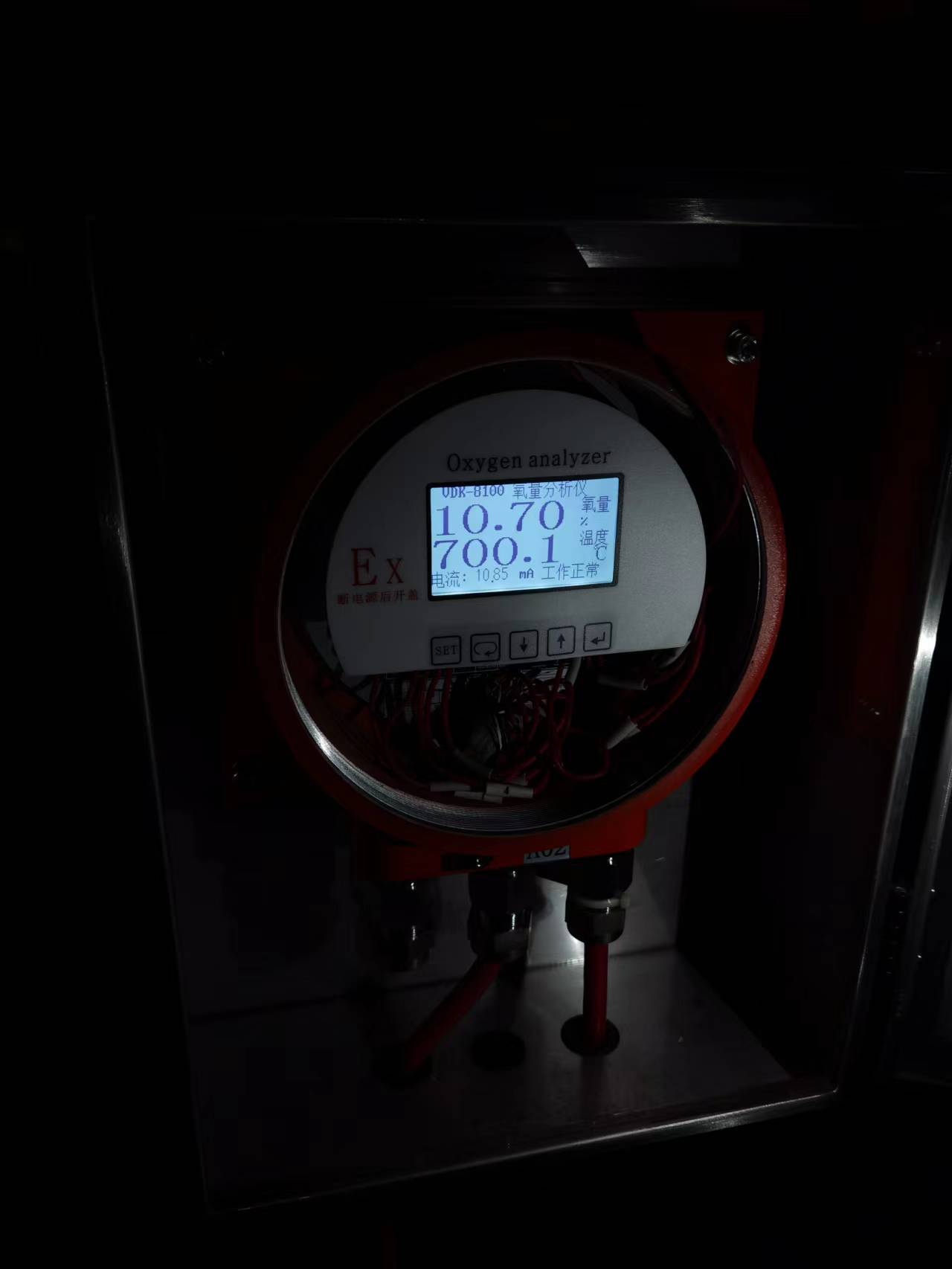
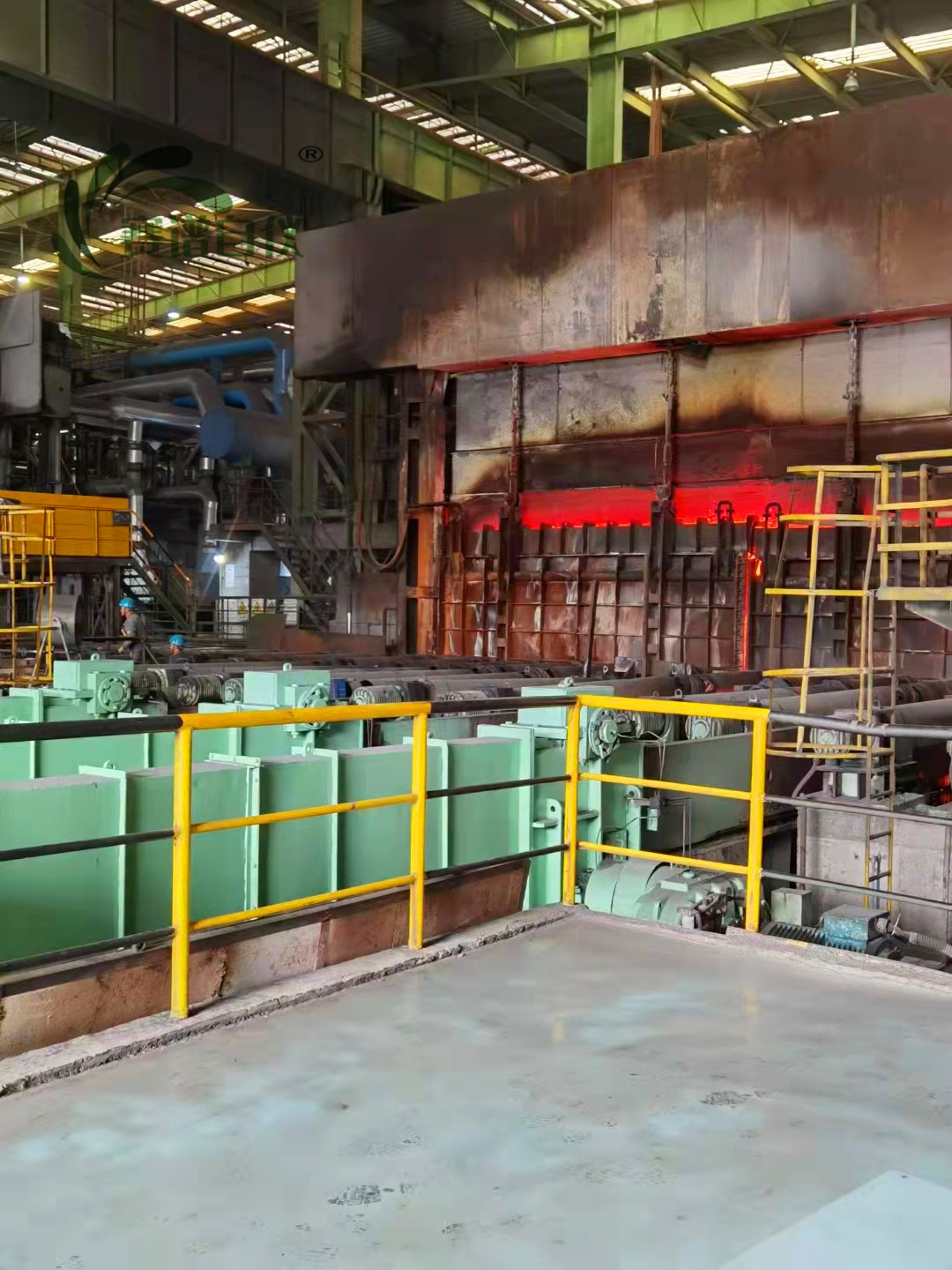
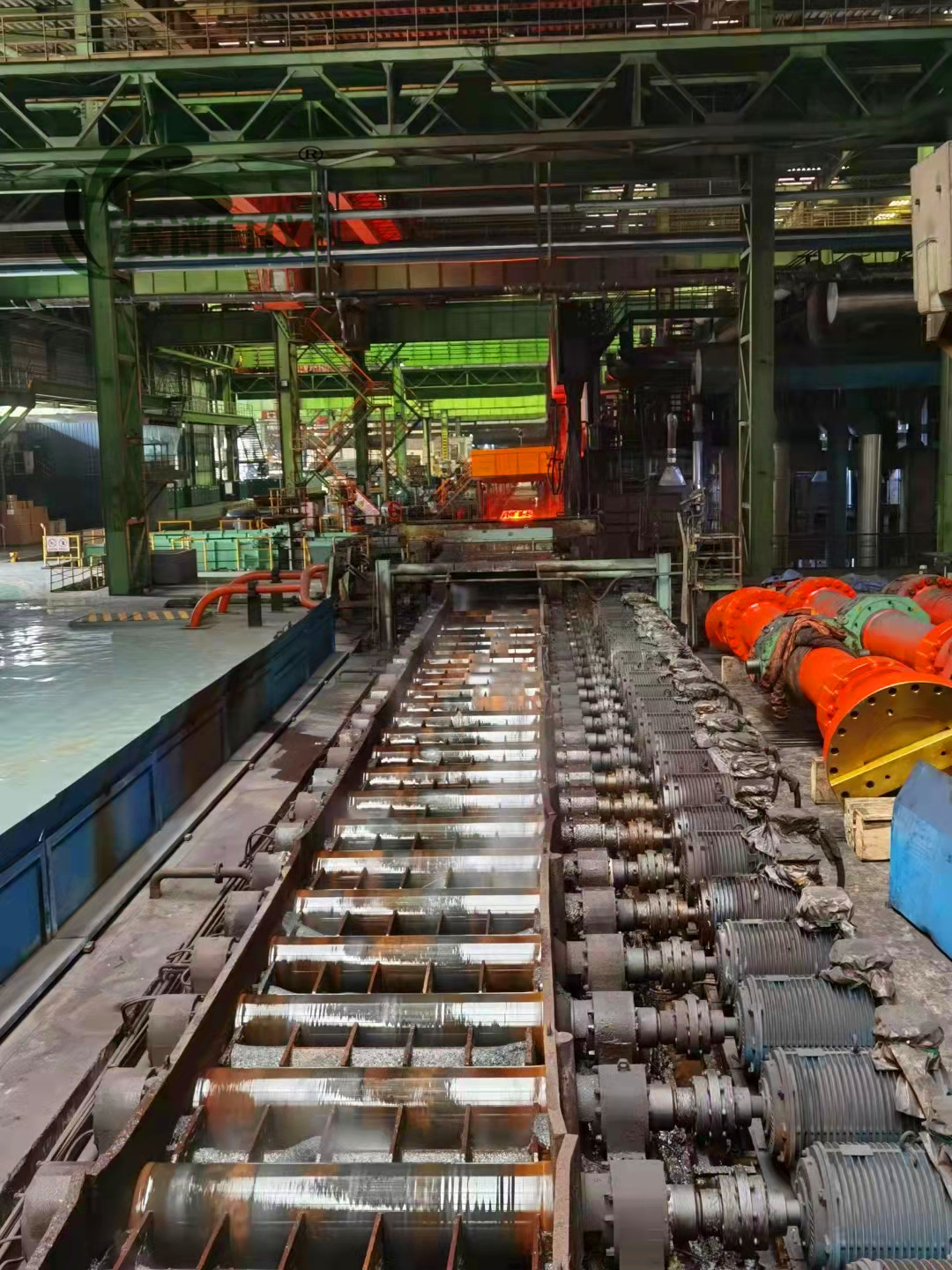
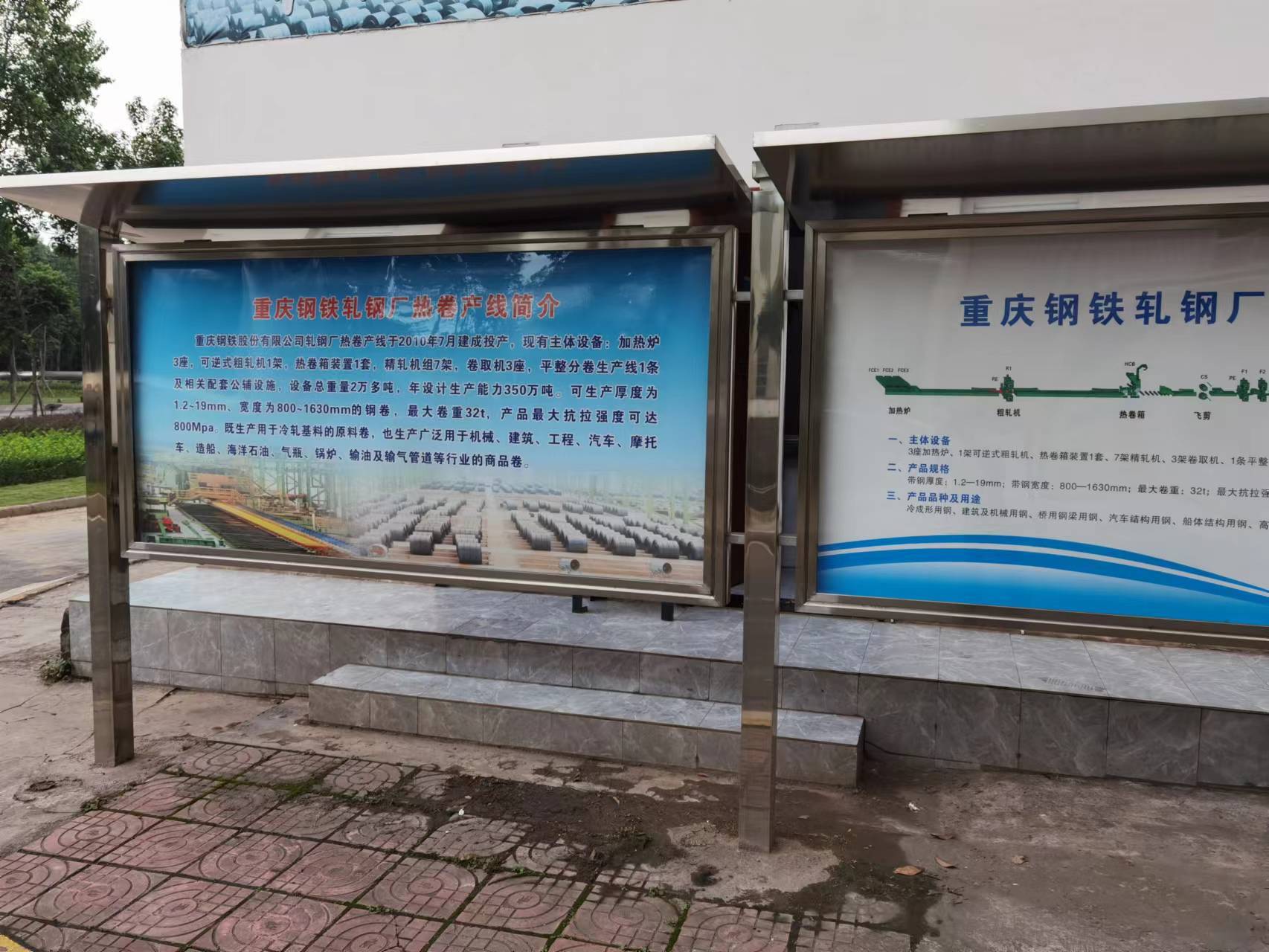
A case study of Chongqing Iron and Steel Group's rolling mill using our company's TFEX-8 explosion-proof zirconia oxygen analyzer. Used to measure the residual oxygen concentration in the flue gas of the rolling heating furnace. Our professional technicians installed and debugged on-site. Data access to the DCS system displays data results normally, accurately, and in real time. Operation is normal. Won the recognition of the customer's instrument and technology engineers.
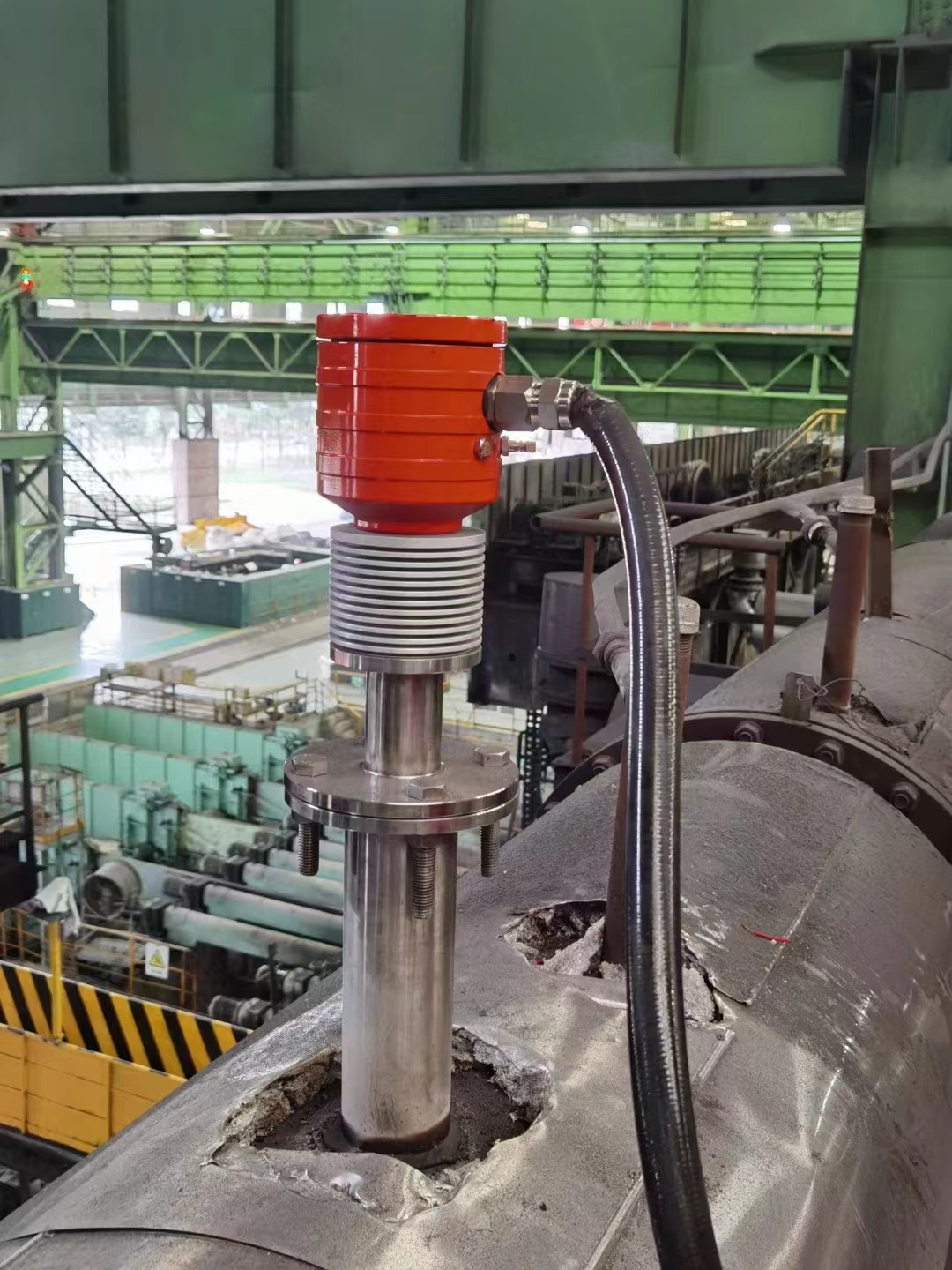
Product Description:
The TFEX-8 explosion-proof zirconia oxygen analyzer is an intelligent oxygen content analyzer developed by our company. It features high sensitivity, good reproducibility and stability, wide range, automatic switching, fast response, and continuous online measurement. It can be used with various electric unit instruments, conventional display recorders, and DCS distributed control systems. It can quickly and accurately perform online display, detection, and analysis of the oxygen content of flue gas generated during the combustion process of boilers, kilns, and heating furnaces to achieve low-oxygen combustion control, achieving energy saving and consumption reduction, reducing operating costs, and reducing environmental pollution. It can be widely used in the iron and steel metallurgy, thermal power, electric power, petroleum, chemical, glass, building materials, magnetic materials, and oxygen production industries. It is an ideal equipment for process control and product testing.
Working Principle :
The zirconia oxygen analyzer uses the electromotive force of the oxygen concentration difference, which is converted by the detection instrument into a standard voltage signal linearly related to the oxygen content of the gas to be measured. It is input to the digital instrument input terminal, converted by A/D to the instrument's CPU, and after calculation, one path is sent to the instrument to display the oxygen content, and one path is sent to the instrument to display the temperature value, and the corresponding pulse control signal is output to control the temperature value. At the same time, the oxygen content is converted into a 4-20mA analog signal for transmission output, which is used for other control systems. The instrument has oxygen content and temperature alarm indications and is equipped with an external alarm relay. The instrument uses a reliable switching power supply, three-wire Pt1000 cold-end compensation, low-drift operational amplifier, high-resolution A/D conversion, LCD display, true PID temperature self-tuning control, and a 4-20mA+HART or 485 communication interface.
Features:

1. The TFEX-8 explosion-proof zirconia oxygen analyzer consists of two parts: a zirconia probe and an oxygen transmitter.

2. The explosion-proof zirconia probe uses corrosion-resistant alloy materials. The zirconia is easy to disassemble and replace, and no additional air pump is required. The reference gas is self-circulating, and a standard gas interface is provided for background and preset standard gas testing. A protective sheath can also be added according to user needs.

3. The explosion-proof zirconia analyzer instrument software is complete in function, all panel operation, simple wiring, integrated circuit, reliable performance, easy debugging, and the instrument performance is far ahead of its peers in China.

Technical Parameters:

1. Explosion-proof zirconia oxygen analyzer range: 0~25%O2

2. Zirconia analyzer instrument accuracy: ≤0.5%F.S

3. Zirconia analyzer operating temperature range: 0~1300℃

4. Zirconia analyzer measurement temperature: 0~600℃ (low temperature type), 0~800℃ (medium temperature type), 0~1300℃ (high temperature type)

5. Zirconia oxygen analyzer background correction: -20mV~+20mV

6. Explosion-proof zirconia oxygen analyzer output signal: 4-20mADC or 1-5V

7. Environmental conditions: 0~50℃, relative humidity < 90%

8. Power supply: 220VAC 50Hz

9. Detector heating furnace heating time: about 20min

10. Heating temperature: PID self-tuning control ≤±1℃ (constant temperature point arbitrarily set)

11. Response time: about 3S (90% response)

12. Display form: LED four-digit high-definition digital display, LCD display

13. Communication interface: RS232 or RS485

  Installation Method:

1. Selection of installation point The flue gas temperature at the installation point should meet the relevant requirements. Generally speaking, the lower the flue gas temperature, the longer the service life of the detector, and the higher the flue gas temperature, the shorter the service life. The detector cannot be installed in a dead corner where the flue gas does not flow, nor can it be installed in a place where the flue gas flows very fast (such as the expansion cavity of some bypass gas ducts). In addition, it requires that the flue gas leakage is small, and the detector is easy to install and maintain. For medium and small boilers, it is recommended to install it before the economizer and after the superheater, because the flow direction of the boiler system flue gas is from the furnace to the steam drum, passing through the superheater, economizer, and air preheater, and then discharged from the chimney after being recovered and processed by the induced draft fan. If the measuring point is too close to the furnace outlet, due to the high temperature and fast flow rate, it will cause scouring corrosion of the stainless steel shell of the detector, shortening its service life; if the measuring point is too far behind, due to the leakage phenomenon in the flue system, the oxygen content at the measuring point will be higher, which cannot accurately reflect the oxygen content of the flue gas in the furnace.

2. Detector fixing flange on the furnace wall or flue A transition frame made of steel is used. The flange of the transition frame can be directly welded to the furnace wall or embedded in the furnace wall, but it must be airtight and firm. The flange at the other end of the transition frame is designed to fix the detector, so it must match the screw holes of the detector fixing flange. If a 12mm installation hole is selected, four 12mm installation holes are evenly distributed on the ¢130mm circle of the transition frame flange, and four M1O×40 screws are used to fasten it to the fixing flange of the detector. To prevent leakage, a rubber gasket can be filled between the two flanges.

3. Installation of the detector The reference gas of the detector is provided by natural air convection, and the detector needs to be installed horizontally, with the reference gas and standard gas interfaces facing down. Rubber gaskets must be filled between the detector installation flange and the transition frame flange to prevent air from leaking into the flue, affecting the measurement accuracy. The detector end must be more than 150mm away from the inner wall of the boiler, so that the exposed part of the porous ceramic of the filter faces away from the flue gas flow (the filter direction can be rotated separately) to avoid the ceramic body from being scoured by the gas and prolong its service life. When pushing the detector into the hot flue, in order to prevent the zirconium tube from bursting, it is advisable to push it in gradually in sections, generally at 10~20 centimeters/minute.

There are a total of six wires connecting the sensor to the secondary instrument or transducer, including zirconia, thermocouple, and heating furnace. 0.75mm2 plastic insulated wires can be used.

Recommended product

Zirconia oxygen analyzer, oxygen analyzer


The zirconia oxygen analyzer is a high-precision, online monitoring device developed based on the principles of high-temperature oxygen ion conduction in zirconia ceramics and the concentration‑difference electromotive force. It serves as a core smart instrument for measuring oxygen content in industrial flue gases, optimizing combustion conditions, and managing environmental emissions. The device can directly measure gas oxygen concentrations in various furnaces and pipelines, offering real-time monitoring, stable and durable performance, and adaptability to harsh operating conditions. Widely applicable across multiple industries for production and environmental‑related operations, it is a critical tool for achieving energy savings, safe production, and compliance with emission standards. I. Company Profile Anhui Tianfen Instrument Co., Ltd. is a high‑tech enterprise specializing in the R&D, manufacturing, sales, and technical services of industrial process analytical instruments. With years of expertise in oxygen analysis, environmental monitoring, and industrial measurement and control, the company focuses on iterative upgrades of zirconia oxygen analyzers, gas analyzers, and industrial control equipment. Backed by mature production processes, rigorous quality‑control systems, and a professional R&D team, it provides customized monitoring solutions tailored to diverse industry requirements. Its products—known for precision, stability, durability, low power consumption, and ease of maintenance—serve a wide range of sectors including power generation, chemical processing, metallurgy, building materials, and environmental protection, earning high recognition from both the market and customers. Committed to quality and driven by technology, the company continuously supports industrial enterprises in achieving intelligent manufacturing, energy efficiency, and regulatory compliance. II. Core Technical Parameters This series of analyzers features standardized industrial‑grade specifications, meeting the detection needs of most industrial applications. Key performance indicators are outstanding and highly stable: the standard measurement range is 0–25% O₂, with custom ranges available upon request; basic system measurement error is ≤±0.5% FS, with high‑accuracy models reaching ±0.1% O₂; repeatability is ≤0.5% FS, placing its accuracy at an industry‑leading level; T90 response time is ≤5 seconds, enabling rapid capture of dynamic oxygen‑content changes; temperature control is maintained at 700°C ±0.1°C, ensuring stable operation of the sensing element; the device operates over a broad temperature range, tolerating ambient conditions from −20°C to 85°C, while high‑temperature probes can withstand flue gas temperatures up to 1,400°C. Signal outputs include standard 4–20 mA analog signals and RS‑485 digital communication compliant with HART protocol, ensuring compatibility with mainstream industrial control systems. Zero drift is limited to ≤±0.5% FS per 7 days, guaranteeing long‑term operational stability and significantly reducing failure rates. III. Key Technological Features 1. In‑situ direct measurement with ultra‑fast response: No sample preparation or pre‑treatment is required; the device can be inserted directly into the process pipeline for on‑site measurement, eliminating delays, blockages, and leaks associated with sampling lines. Its sub‑second response time provides real‑time feedback on combustion conditions, supplying precise data for system control. 2. High‑temperature and corrosion resistance, suitable for demanding environments: Featuring a highly dense, stable zirconia ceramic sensing core paired with a corrosion‑resistant, wear‑proof structural design, this analyzer withstands high temperatures, dusty conditions, and mildly corrosive flue gases, resisting erosion and aging while adapting to complex, harsh industrial settings. 3. Intelligent calibration and robust stability: Equipped with automatic zeroing and purging functions, the device exhibits minimal drift over extended operation, ensuring consistent and reliable data. 4. Easy installation and low maintenance costs: Available in modular, plug‑in configurations, it simplifies installation without requiring extensive modifications. With no consumable parts and infrequent calibration needs, it significantly reduces ongoing labor and replacement expenses. 5. Broad compatibility and strong adaptability: Standard industrial signal outputs enable seamless integration with PLCs, DCSs, and other industrial control systems, supporting remote data transmission and centralized monitoring, thus meeting the demands of smart production line upgrades. IV. Addressing Industry Pain Points 1. Resolving traditional detection delays and distortions: Conventional sampling‑based oxygen analyzers suffer from slow response times, clogged tubing, and condensation interference, failing to reflect real‑time furnace conditions. By contrast, this device offers in‑situ direct measurement with no transmission lag, delivering accurate and reliable data. 2. Overcoming challenges in high‑temperature, dusty environments: Many precision analyzers cannot endure the extreme heat, heavy dust, and high‑velocity flows typical of industrial furnaces, often resulting in sensor damage and data loss. This specialized device incorporates a high‑temperature, dust‑resistant structure, ensuring stable long‑term operation even under severe production conditions. 3. Tackling high energy consumption and incomplete combustion: Industrial furnaces frequently experience imbalances in air‑fuel ratios and inefficient combustion, leading to fuel waste, reduced productivity, and increased emissions. By precisely monitoring oxygen levels, this analyzer helps optimize air‑fuel ratios, improve combustion efficiency, and lower energy use and carbon footprints. 4. Alleviating burdensome and costly maintenance: Traditional instruments require frequent disassembly for calibration, filter replacements, and pipeline cleaning, imposing significant labor and expense. This device minimizes maintenance needs and lowers failure rates, effectively reducing overall production and operational costs. 5. Mitigating risks of non‑compliant environmental monitoring: Oxygen content in industrial flue gases is a key parameter for calculating environmental emissions. Manual measurements often suffer from delays and inaccuracies, increasing the risk of exceeding emission limits. Continuous, 24‑hour precise monitoring ensures compliance and controllability of emission data. V. Major Application Areas The device finds extensive use in various industrial combustion, flue‑gas monitoring, and atmosphere‑control scenarios, spanning several core industrial sectors: - Power generation: Online monitoring of oxygen levels in coal‑fired boilers and thermal power plant furnaces. - Chemical processing: Monitoring operating conditions of heating and incineration furnaces. - Metallurgy: Optimizing combustion in steel, coking, and heat‑treatment furnaces. - Building materials: Detecting flue‑gas composition in cement, glass, and ceramic kilns. - Environmental protection: Supporting oxygen‑level monitoring for industrial waste incineration and desulfurization/denitrification processes. Additionally, it is suitable for energy‑efficiency optimization and environmental monitoring in light‑industry, textile, food, and district‑heating facilities, and can also be employed for precise oxygen‑concentration control in nitrogen‑protection and inert‑atmosphere applications. VI. Trademark Ownership Statement We hereby solemnly declare that the seven trademarks—ZIROX, EXNFZRO, TKFXZOA, TFEX, TFYHG, TFZRO, and TFYB—are duly registered with the National Intellectual Property Administration of China by Anhui Tianfen Instrument Co., Ltd. The company is the sole legal registrant of these trademarks and holds full, exclusive trademark rights, protected under the Trademark Law of the People’s Republic of China, the Regulations for the Implementation of the Trademark Law, and other relevant laws and regulations. The official registration numbers for each trademark are as follows: ZIROX (No. 84554887), EXNFZRO (No. 82544696), TKFXZOA (No. 82536162), TFEX (No. 64377345), TFYHG (No. 79839887), TFZRO (No. 79839454), TFYB (No. 82528679). Without formal written authorization from Anhui Tianfen Instrument Co., Ltd., no entity, organization, or individual may, in any commercial context—including production, manufacturing, sales, marketing, promotional activities, online postings, or business collaborations—unauthorizedly use, reproduce, imitate, alter, or misappropriate these trademarks. Nor may anyone employ marks that closely resemble these trademarks and could cause market confusion. For all instances of trademark infringement or unfair competition, our company will collect and preserve evidence, pursue legal action through complaints, lawsuits, and accountability measures, and rigorously hold infringers civilly, administratively, and criminally liable, resolutely safeguarding our legitimate intellectual property and brand rights.
Learn More