

Corrosion-resistant zirconia oxygen analyzer for garbage incineration boilers
Release time: 2023-02-27
Waste-to-energy generation is already widespread, but the zirconium oxide oxygen analyzer, used for monitoring waste combustion conditions, has an extremely short lifespan. The main reason for this is the highly complex composition of waste. The flue gas produced after waste combustion primarily consists of a series of toxic and harmful gases such as hydrogen chloride, hydrogen fluoride, nitrogen oxides, and dioxins. These gases, combined with the large amount of water vapor generated during waste incineration, can severely damage the sensor in the oxygen probe. Domestic zirconium oxide analyzers typically last only 3-4 months in waste power plants, with a maximum of six months before requiring replacement.
The same situation is not limited to waste-to-energy plants. Enterprises involved in the incineration and disposal of solid waste, medical waste, and hazardous waste face similar issues. Even expensive imported zirconium oxide analyzers cannot escape corrosion and damage within a short period. Some manufacturers have attempted to solve the corrosion problem by applying anti-corrosion agents to the probe's zirconia cell, but this only makes the oxygen reaction sluggish, preventing plant operators from using accurate data to guide production and control kiln combustion. High temperatures, water vapor, and strong corrosion – how can these issues be resolved? Waste power plants, solid waste, medical waste, hazardous waste disposal, exhaust gas, and liquid waste incineration companies are all eagerly awaiting a solution.
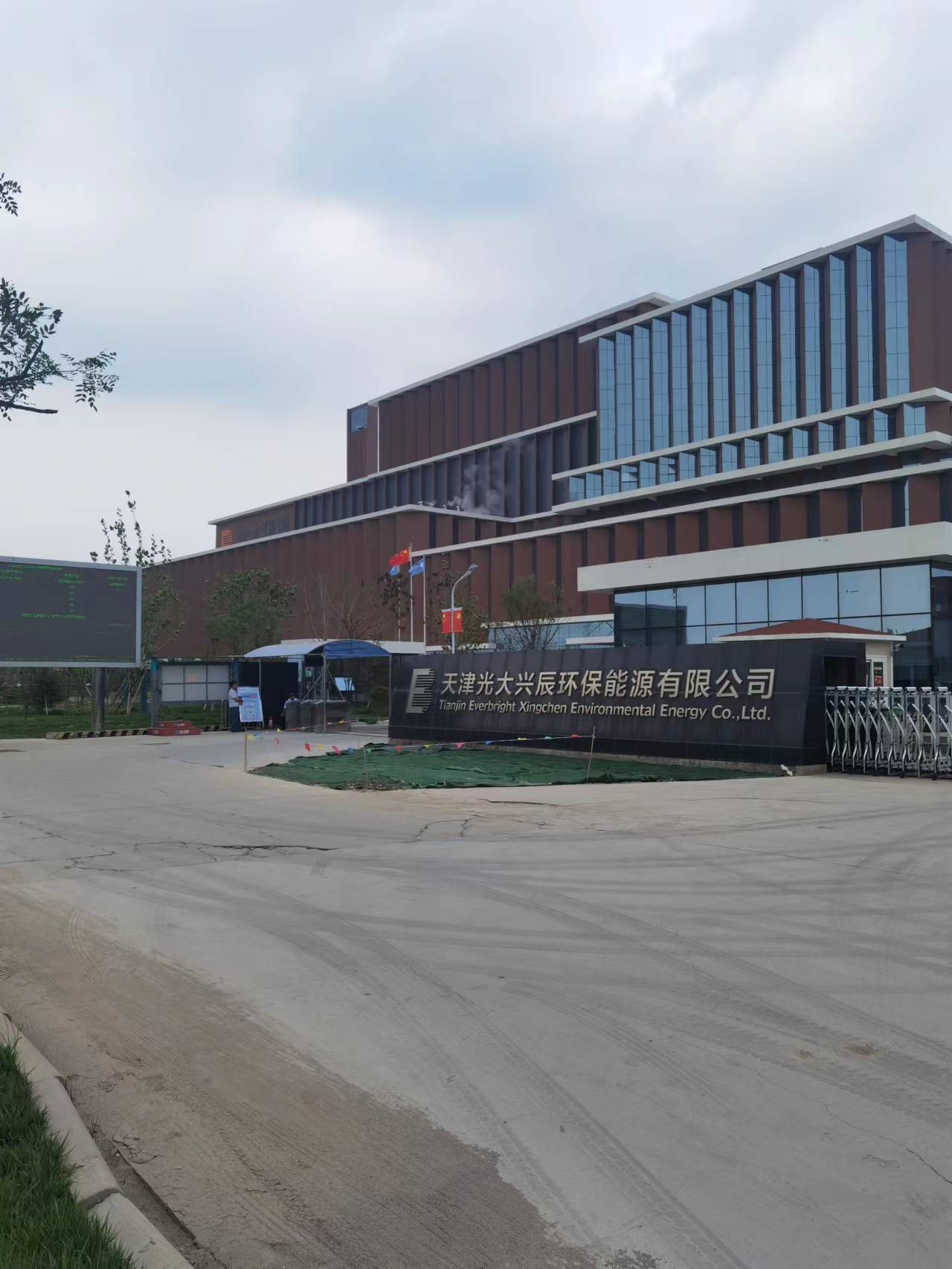
Technical personnel from Anhui Tianfen Instrument Co., Ltd., collaborated with alumni and teachers from Wuhan University of Science and Technology, as well as field engineers from companies like Everbright Environmental, GCL Environmental, Sheng Yuan Environmental, and Sinohydro Environmental, along with waste power plants, solid waste, medical waste disposal, and industrial kiln companies, to jointly research and develop the zirconium oxide analyzer for waste power plants.
The zirconium oxide analyzer for waste power plants adopts ion membrane electrolysis technology, integrating electro-osmosis and electrolysis to achieve both sampling and corrosion prevention. Its principle is that when the zirconium oxide analyzer operates, it automatically forms a series of photonic membranes around the oxygen probe sensor through electrolysis technology. This membrane isolates highly corrosive gases, while a high-temperature demister removes water vapor. The oxygen molecules to be measured directly enter the probe via electro-osmosis. This technology solves the corrosion problem of zirconium oxide probes and extends the lifespan of the zirconium oxide analyzer. According to the current actual usage by relevant companies of Everbright Environmental, the earliest units have been in operation for over 18 months and are still running normally. A chief engineer working at a solid waste incineration plant remarked, "Even if this specialized zirconium oxide analyzer only lasts twelve months, our costs could still be halved! It also saves a lot of procurement and maintenance time, at least doubling efficiency!" Based on current trials at nearly ten sites (including waste power plants, solid waste incineration plants, medical waste disposal, high-temperature kilns, special steel pipe manufacturing, and other complex industrial conditions), the specialized zirconium oxide analyzer runs stably and reliably. Conservatively estimated, after formal production, it can operate normally for at least 1-2 years, or even longer.
The successful development of the zirconium oxide analyzer for waste power plants undoubtedly offers a huge boon to numerous companies in waste power generation, solid waste, medical waste disposal, liquid waste, and exhaust gas incineration, who have been puzzled by the issue of zirconium oxide analyzer lifespan. This project fills a gap in the domestic market regarding the lifespan of oxygen analyzers used in waste incineration. It is the culmination of extensive hard work by all technical personnel at Anhui Tianfen Instrument Co., Ltd., along with research institutions and technical personnel from various relevant units.
If you need to order the zirconium oxide oxygen analyzer for waste power plants, or have any related questions, please feel free to call us. Anhui Tianfen Instrument Co., Ltd. will be dedicated to serving you.
Currently, our clients connected to power plants include: Everbright Environmental, GCL Group, Sheng Yuan Environmental, Jinjiang Group, Jingneng Group, CECEP, Shenzhen Energy Group, and others. They have all chosen our company's anti-corrosion zirconium oxide oxygen analyzers.
Recommended product

Zirconia oxygen analyzer, oxygen analyzer


Copyright 2025 Anhui Tianfen Instrument Co.,Ltd Power by:300.cn